
AI can dramatically increase the speed of visual exploration, but speed only creates value when brand judgment, context and craft remain in control.
Speed is useful. Direction is essential.
Generative tools make it possible to explore more concepts, treatments and visual territories in less time. That changes the economics of early-stage creative work and lets teams test ideas before committing to production.
The risk is sameness. Without a clear brand system, human art direction and quality control, faster output can become more noise rather than stronger communication.
The role of the creative team is changing.
Creative teams increasingly act as editors, system designers and directors of many possible outputs. The valuable skill is not simply generating more images—it is knowing which idea is relevant, which detail feels authentic and which execution supports the business objective.
For brands, that means AI should sit inside a broader creative process with clear standards for identity, tone, cultural context and final production quality.
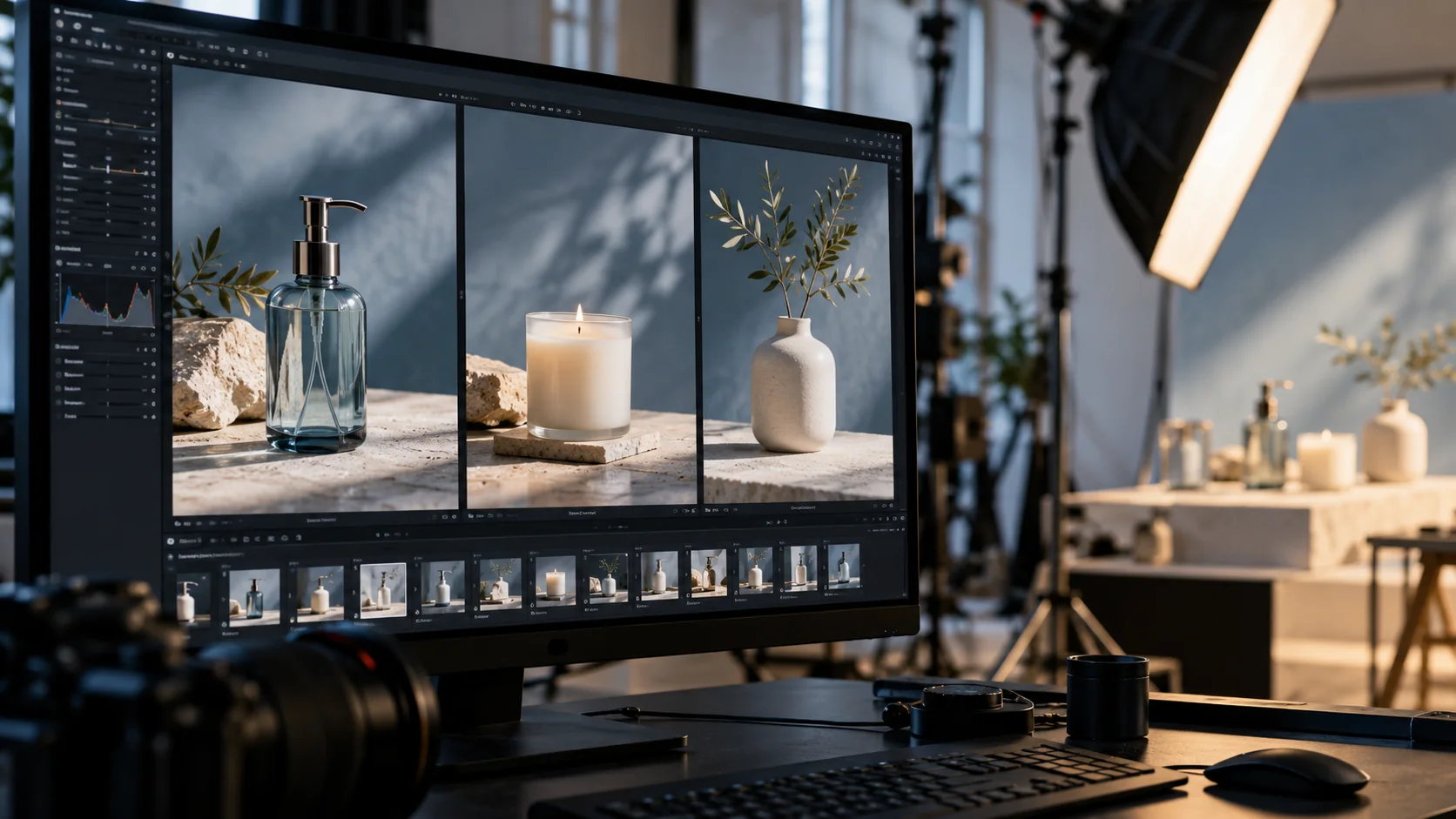
A practical approach for brands.
Start with the brand idea and the audience, then decide where AI can accelerate exploration, pre-visualization or production. Keep approval checkpoints for consistency, rights, accuracy and final craft.
The strongest systems combine human judgment with machine speed. One provides context and accountability; the other expands the number of possibilities a team can explore.
Start with an evidence-based creative brief
Before opening an image generator, write down the audience, the purchase situation and the single message the campaign needs to communicate. Include approved product references, brand colors, visual examples and details that must remain accurate. A skincare campaign, for example, needs a different standard of evidence from a conceptual image introducing a technology service.
Separate concept exploration from final advertising assets. Early images can help compare lighting, composition and campaign territories. Final work needs closer review of packaging, product proportions, people, cultural context and claims. Maintain a record of which elements were photographed, supplied by the client or generated so that the production team can make informed decisions.

Build a review process around real advertising risks
Review each selected image at its intended display size, including a small mobile placement. Look for unnatural hands, inconsistent reflections, invented labels and backgrounds that imply an unsupported location or endorsement. Ask whether a viewer could misunderstand the product benefit or believe a conceptual scene documents a real event. Resolve those issues before the campaign is approved.
Create a named approval route involving the creative lead and product owner. An image that looks beautiful can still communicate the wrong promise. Save approved versions and keep source references alongside them, rather than passing screenshots through an informal chat. This gives future adaptations a stable starting point and reduces repeated corrections.
Test creative quality alongside media performance
Use a controlled comparison when testing generated creative against photography or existing campaign assets. Keep the audience, objective and landing page comparable, then evaluate qualified enquiries or sales alongside engagement. A striking visual may attract clicks while creating expectations the product cannot meet. The useful question is whether the image improves the whole customer journey.
Record the creative hypothesis for each variation. Perhaps a clearer product context should help first-time buyers, or a warmer portrait should make a professional service feel more approachable. Review results with the team and retain the explanation, not only the winning file. Over time, this turns AI-assisted production into a learning process rather than a volume competition.
Where human judgment creates lasting value
For Vietnamese brands working across markets, local judgment is especially valuable in casting, styling, symbolism and tone. A generic international visual may feel polished but disconnected from the audience. Use people who understand the market to review the work, and adapt imagery to the context in which customers will actually encounter it.
The best next step is a small campaign with a clear brief, a documented review process and an agreed success measure. AI can broaden the range of ideas considered, while experienced direction determines what deserves to represent the brand. That combination is more useful than treating every generated image as ready to publish.